Unraveling the Mystery: Beyond the 'Krankheit' Speculation Surrounding Christopher Lambert
For decades, Christopher Lambert has captivated audiences with his intense gaze and unique screen presence in iconic roles like Highlander and Tarzan. Yet, alongside his storied career, public interest has often drifted towards questions surrounding his health, frequently articulated by the German search term "Christopher Lambert Krankheit" (Christopher Lambert illness). This widespread curiosity often implies a hidden, severe medical condition. However, the truth about Lambert's health challenges, while significant, is far less mysterious and far more a testament to his resilience and transparency.
Contrary to speculation about an undiagnosed or secretive "Krankheit," Christopher Lambert has openly discussed specific, long-standing health issues that have impacted his life and career. These include severe vision impairment and a past struggle with alcohol addiction, both of which he has confronted with remarkable candor. More recently, he has been recovering from a serious physical injury, an accident rather than a chronic disease. Understanding these realities paints a more accurate and inspiring picture of the star.
A Star's Vision: Navigating the World with Extreme Myopia
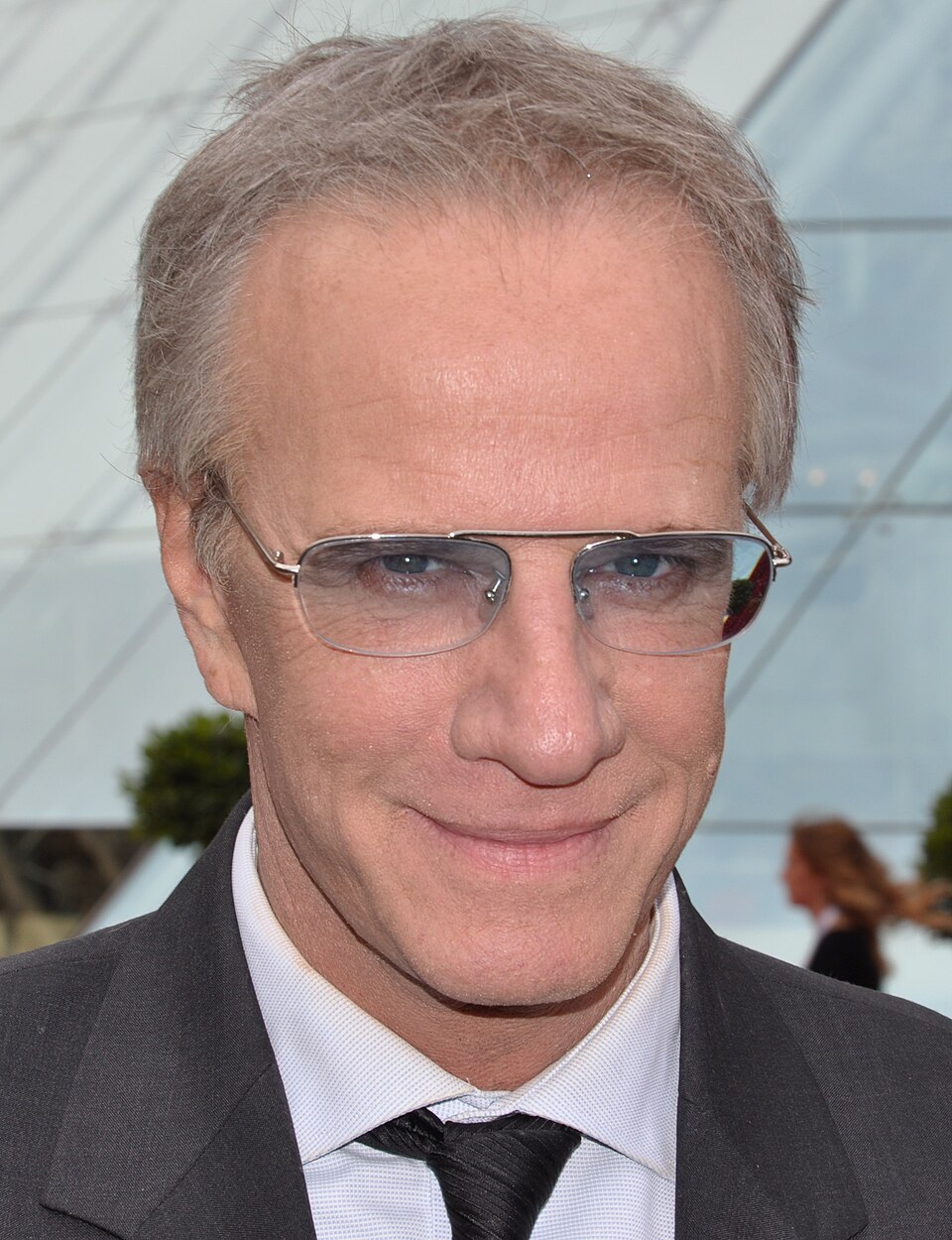
Perhaps one of the most striking and long-term challenges Christopher Lambert has faced is his profound short-sightedness. Often described in interviews as being "practically almost blind" without corrective lenses or glasses, his severe myopia means that without aid, his vision is extremely limited, even at short distances. This isn't just a minor inconvenience; it's a fundamental aspect of his daily life and, remarkably, his acting process.
Imagine performing intricate sword fights or intense action sequences when your world is a blur. Lambert himself has spoken about the immense difficulties this presented during filming, especially in his demanding action roles. He's had to rely on memorization, precise blocking, and heightened sensory awareness to navigate sets and execute scenes convincingly. This speaks volumes about his dedication and ability to adapt. For example, during his iconic *Highlander* sword fights, his impairment would have necessitated extraordinary rehearsal and trust in his fellow actors and stunt coordinators to ensure safety and realism. It's a profound demonstration of an actor overcoming significant physical hurdles to deliver memorable performances.
Understanding Severe Myopia: Myopia, or short-sightedness, is a common refractive error. In severe cases, like Lambert's, the eye is too long or the cornea too steeply curved, causing light to focus in front of the retina, making distant objects appear blurry. While corrective lenses (glasses or contacts) can dramatically improve vision, they don't always fully eliminate all challenges, especially in dynamic, unpredictable environments like a film set. Regular eye check-ups are crucial for everyone, but particularly for those with severe myopia, to monitor eye health and prevent potential complications.
To learn more about the specifics of how this has shaped his career, read our detailed article: Christopher Lambert's True Health Story: Near Blindness and Past Struggles.
The Battle Within: Overcoming Alcohol Addiction
Beyond his visible struggle with myopia, Christopher Lambert has also publicly addressed a more private battle: his past problems with alcohol. Unlike a chronic physical illness, this was a personal challenge that he confronted and, as more recent reports indicate, has successfully worked through. His willingness to speak about his experiences not only sheds light on his personal journey but also contributes to destigmatizing addiction, a critical issue for public awareness.
Lambert's candor about his past alcohol dependency underscores the fact that addiction is a complex health issue, not a moral failing. His journey serves as a powerful reminder that recovery is possible with self-awareness, support, and determination. By addressing this period of his life openly, Lambert exemplifies the courage it takes to acknowledge vulnerabilities and commit to a path of healing and self-improvement. It highlights a period he recognized, addressed, and ultimately moved past, indicating a significant personal victory rather than an ongoing "Krankheit" in the traditional sense.
Insights into Addiction Recovery: Overcoming addiction is a profound and often lifelong process. Key elements typically include:
- Self-recognition: Acknowledging the problem is the first crucial step.
- Seeking Professional Help: Therapy, counseling, and medical support can provide vital tools and strategies.
- Support Systems: Friends, family, and support groups (like AA) offer invaluable encouragement and accountability.
- Lifestyle Changes: Developing healthy coping mechanisms and routines to replace old habits.
Resilience in Recovery: A Recent Accident, Not a Chronic Condition
In recent months, news concerning Christopher Lambert's health has focused on a significant back injury sustained after a fall down stairs at a hotel. This incident, while serious enough to require hospitalization and ongoing physical therapy, is crucial to categorize correctly: it was an accident, an acute injury, and not indicative of a chronic "Krankheit" or debilitating long-term illness in the way some might interpret the German term.
The accident, which led to the cancellation of his appearance at a SciFiWorld convention in Sweden, prompted an outpouring of concern from fans. His representative clarified the situation, explaining that while Lambert values his fans greatly, his current physical condition necessitated his absence. He has since been undergoing intensive physical therapy to regain strength and mobility, demonstrating his characteristic determination to recover fully.
Crucially, despite this recent setback, Christopher Lambert remains actively involved in his professional life. He is still slated for several upcoming film projects, including his role as Professor Moreau in the werewolf thriller 'Shadow of the Wolf' and as Mark in the mystery drama 'Eyes Everywhere'. This continued commitment to his craft, even during recovery, is a powerful indicator of his enduring passion and resilience.
Understanding Accidents vs. Chronic Illness: It's important to distinguish between an injury resulting from an accident and a chronic illness. An accident causes acute trauma that typically heals over time with proper medical intervention and rehabilitation. A chronic illness, by definition, is a condition that is persistent or otherwise long-lasting, often requiring ongoing management. Lambert's back injury falls squarely into the former category, a temporary impediment he is actively working to overcome.
For more detailed information on his recovery process and upcoming projects, read: Christopher Lambert's Health Update: Recovery After Serious Back Injury.
Conclusion: A Journey of Transparency and Strength
The narrative surrounding Christopher Lambert's health is one not of mysterious "Krankheit" but of remarkable human resilience, transparency, and an unwavering commitment to his craft. From navigating the world with severe myopia throughout his career to openly confronting and overcoming a battle with alcohol addiction, he has faced his challenges head-on. His recent recovery from a significant back injury further underscores his tenacious spirit and determination to remain active and engaged in the film world.
Christopher Lambert's story reminds us that public figures, like all individuals, face personal struggles. His willingness to share his journey offers valuable lessons in perseverance and highlights the importance of distinguishing between public speculation and verifiable facts. As he continues his recovery and moves forward with new projects, he stands as a testament to enduring strength in the face of adversity, continuing to inspire fans worldwide.